Madagascar, an island nation off the coast of East Africa, is renowned for its unique biodiversity, stunning landscapes, and rich cultural heritage. Among its many treasures, Isalo National Park stands out as a testament to the island’s natural wonders. Nestled in the southwestern region of Madagascar, Isalo is a mesmerizing tapestry of sandstone formations, deep canyons, lush oases, and diverse wildlife. Let’s embark on a virtual journey to explore the enchanting beauty of Isalo.
The Geological Marvels of Isalo
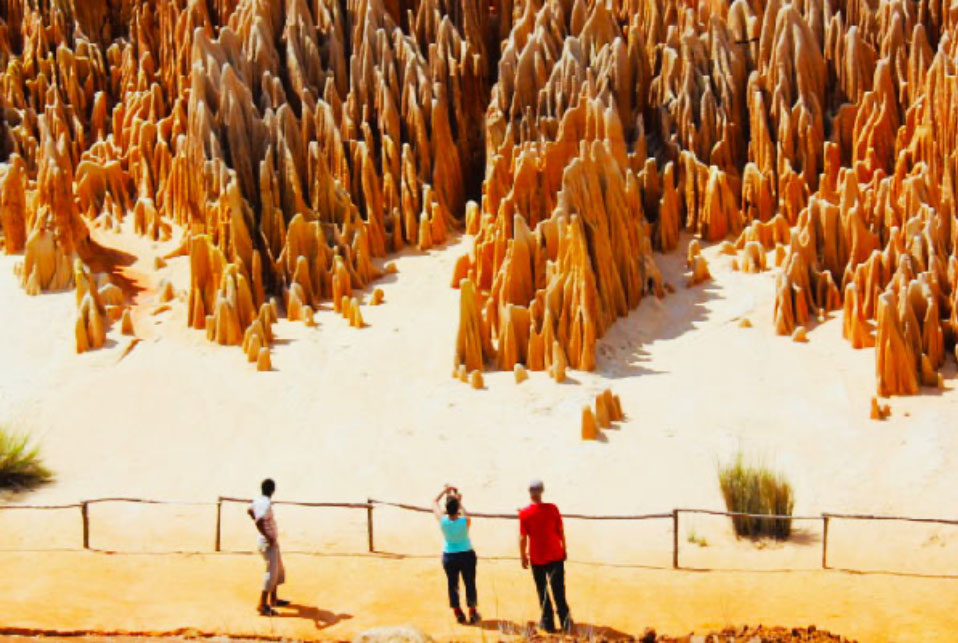
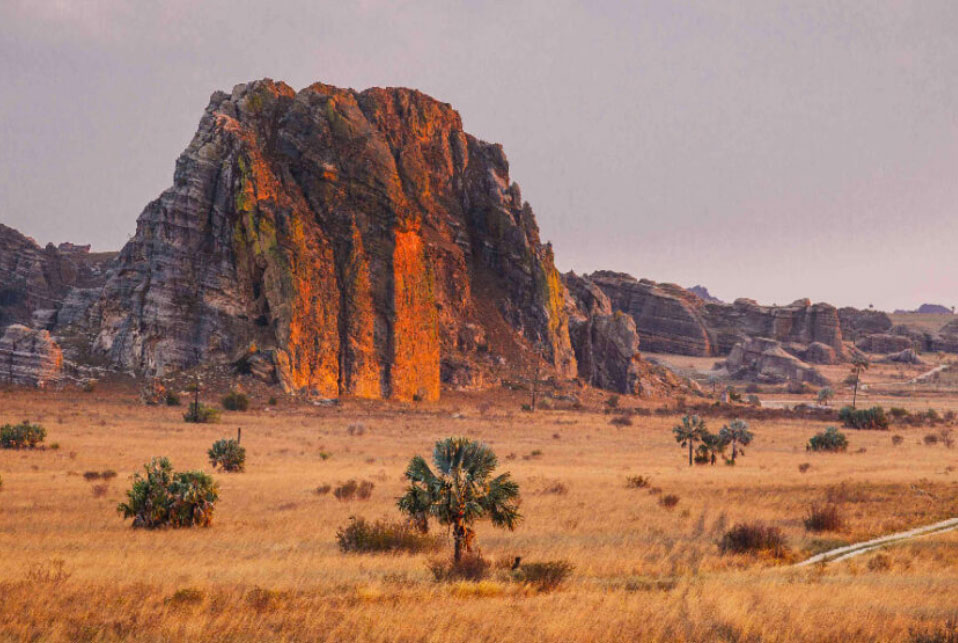
At the heart of Isalo lies a landscape sculpted by millions of years of geological processes. Towering sandstone formations, shaped by wind and water erosion, create a surreal and otherworldly environment. The park’s iconic landmarks, such as the Natural Window and the Canyon des Makis, offer breathtaking vistas that seem straight out of a fantasy novel.
Biodiversity in Bloom
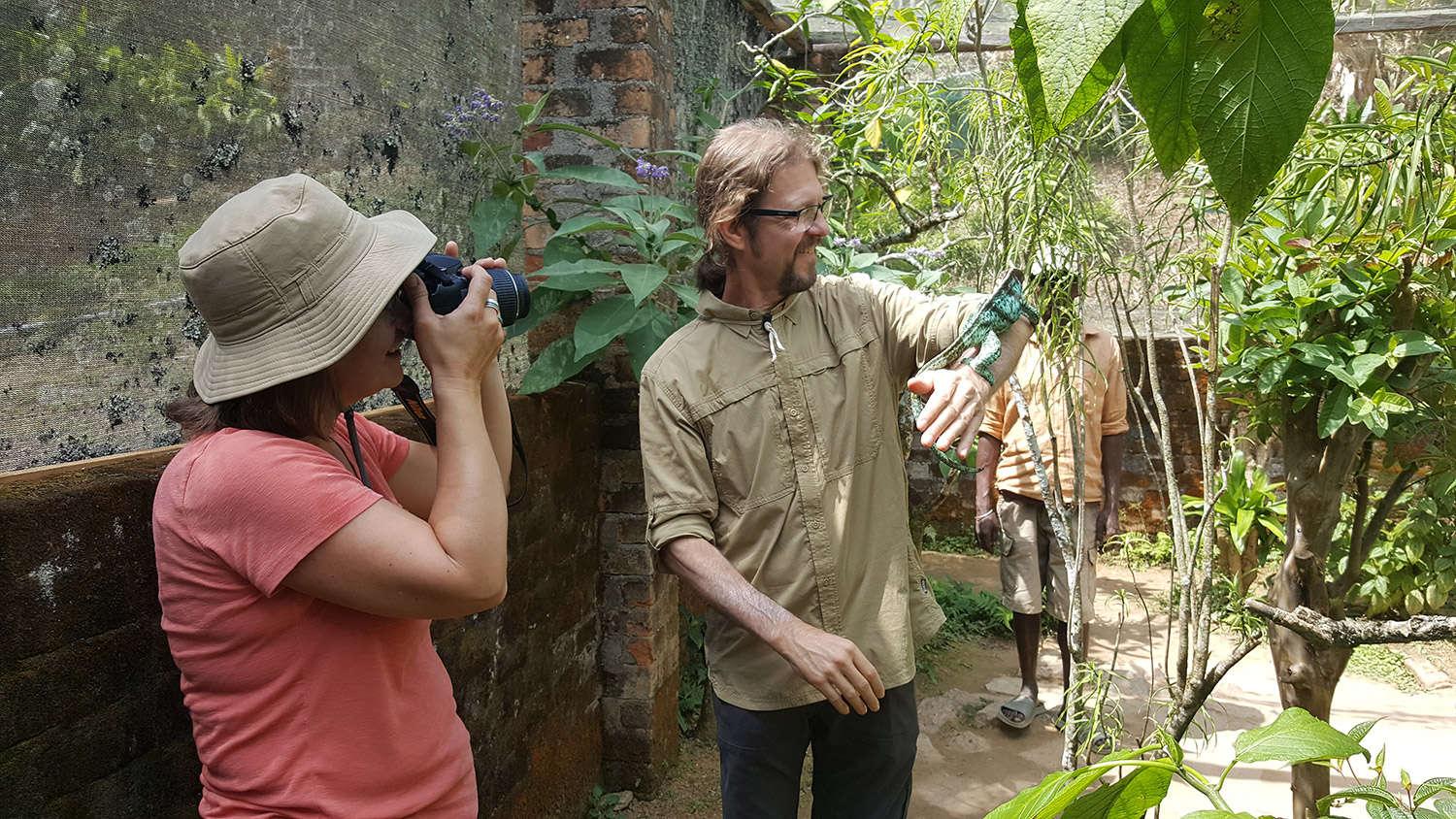
Beyond its geological splendors, Isalo is also a haven for biodiversity. The park is home to a myriad of endemic plant species, including the iconic Pachypodium rosulatum and the elusive Aloe isaloensis. As you wander through its trails, you may encounter a diverse array of wildlife, from playful lemurs to colorful chameleons and exotic birds. Isalo’s delicate ecosystems serve as a reminder of the importance of conservation efforts in preserving Madagascar’s natural heritage.
Exploring Isalo’s Hidden Gems
Venturing deeper into Isalo reveals hidden gems waiting to be discovered. Trekking through its canyons and valleys, visitors are treated to secluded waterfalls, serene natural pools, and ancient rock paintings left behind by early inhabitants. Each corner of the park tells a story of resilience, adaptation, and the enduring bond between humanity and nature.
Cultural Encounters
In addition to its natural wonders, Isalo offers a glimpse into Madagascar’s rich cultural tapestry. Local communities, such as the Bara and Barachois tribes, have inhabited these lands for centuries, forging a deep connection with the environment. Through guided tours and cultural exchanges, visitors can learn about traditional customs, folklore, and the sustainable practices that have sustained these communities for generations.
Preserving Paradise
As Isalo continues to captivate visitors from around the globe, the need for conservation and sustainable tourism becomes increasingly imperative. Efforts to protect the park’s fragile ecosystems, mitigate human impact, and empower local communities are essential in ensuring that future generations can continue to experience its wonders.
Conclusion
Isalo National Park stands as a testament to the extraordinary beauty and diversity of Madagascar’s natural landscapes. From its towering sandstone formations to its vibrant flora and fauna, Isalo offers a journey of discovery and wonder for adventurers and nature enthusiasts alike. As we marvel at its splendors, let us also remember our responsibility to protect and preserve this precious sanctuary for generations to come.